1. Start With a Dry, Stable Jobsite
Before thinking about the wood itself, your building environment must be ready:
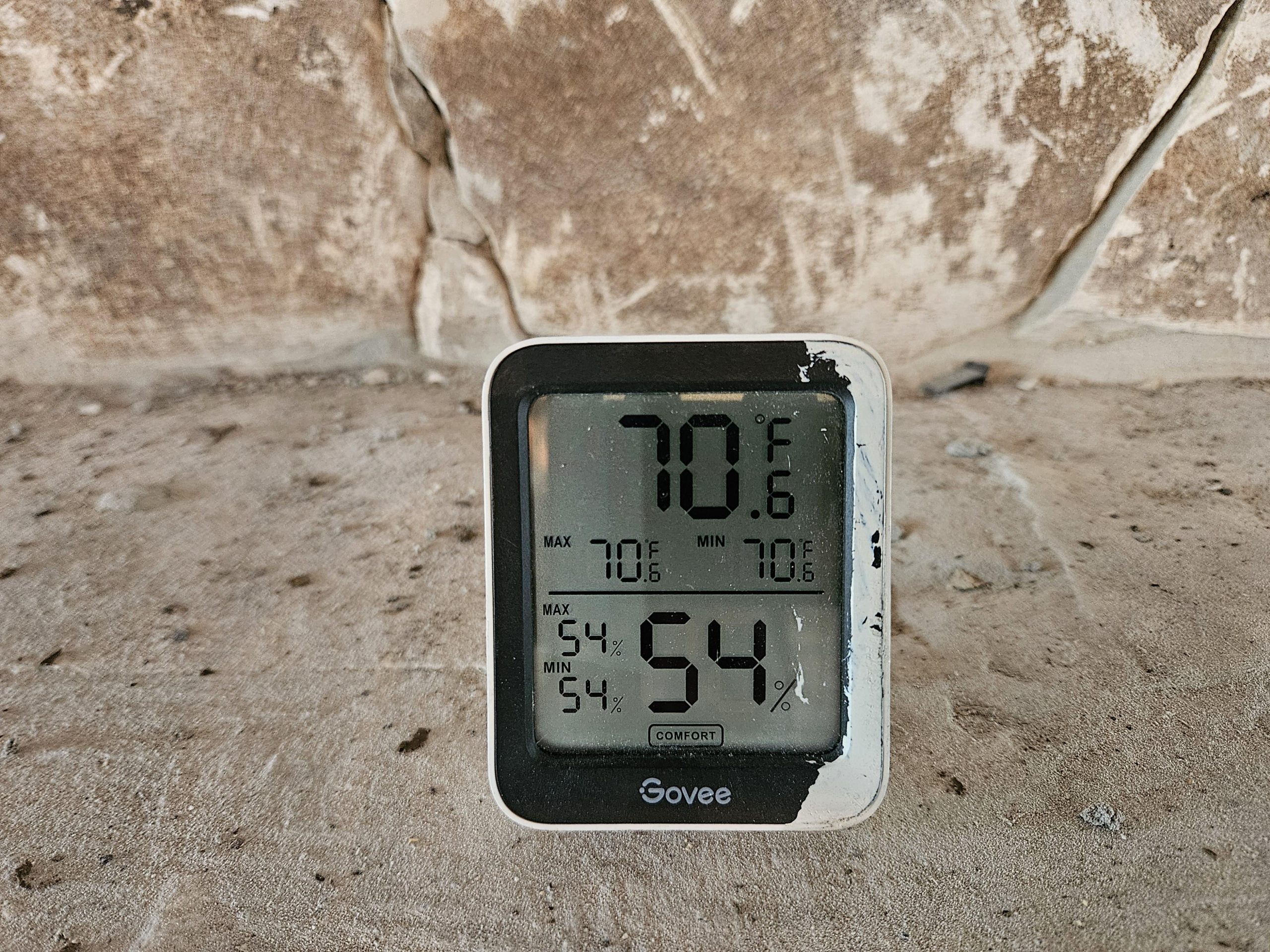
- Temperature: 65–75°F (or per manufacturer)
- Relative Humidity (RH): 30–50% (or per manufacturer)
- HVAC system: Running and stabilized
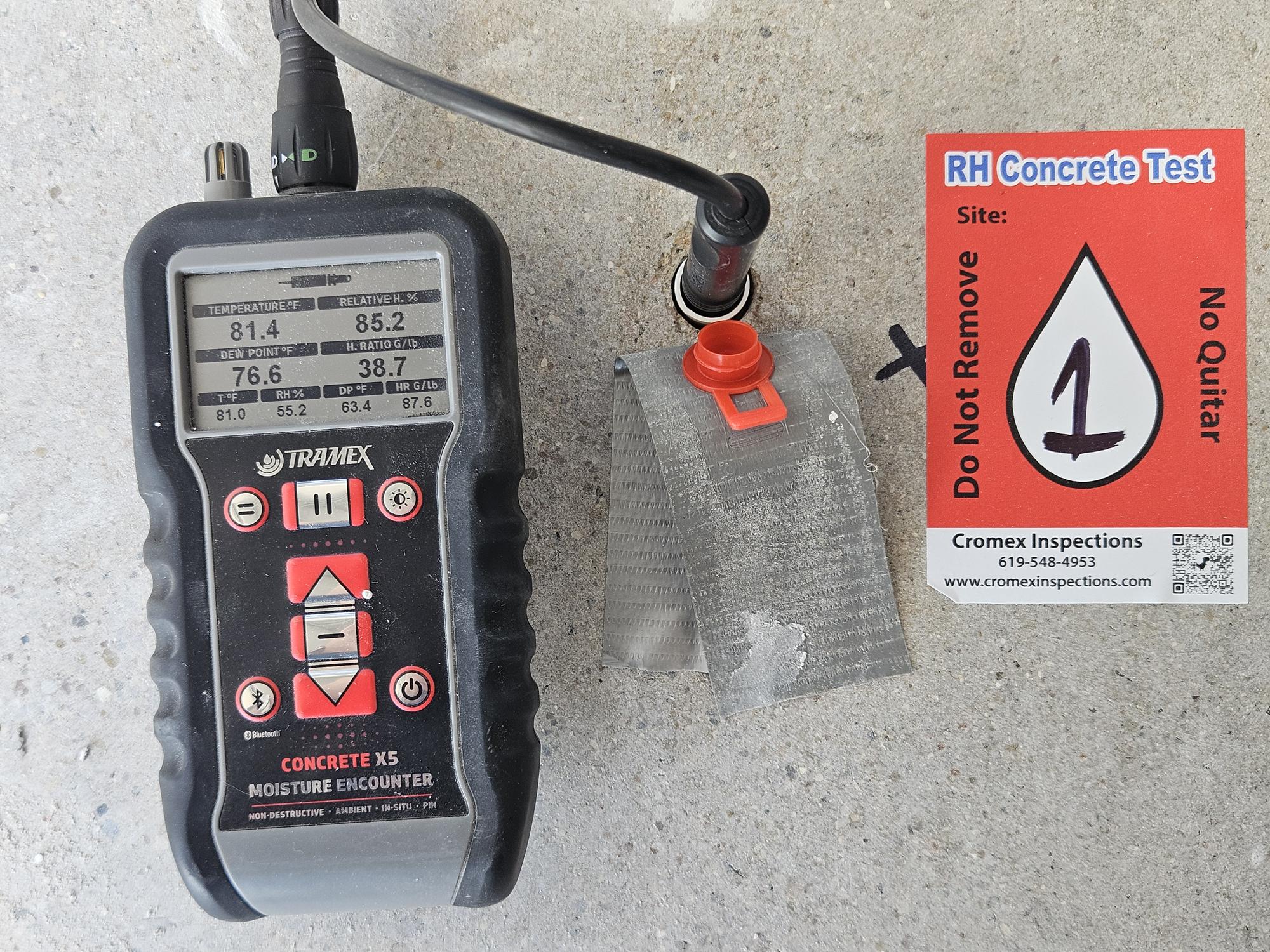
- Subfloor: Dry and within manufacturer limits
New construction often contains residual moisture from concrete, drywall, or paint. Installing flooring in a wet environment is the #1 cause of failures. Ensuring the HVAC system is operational and stabilized is critical.
2. Measure Moisture, Don’t Guess
Acclimation isn’t about leaving the flooring in the room for a set number of days—it’s about measuring moisture content (MC).
You need a professional moisture meter to check:
- Subfloor MC
- Wood flooring MC
- Ambient temperature and RH
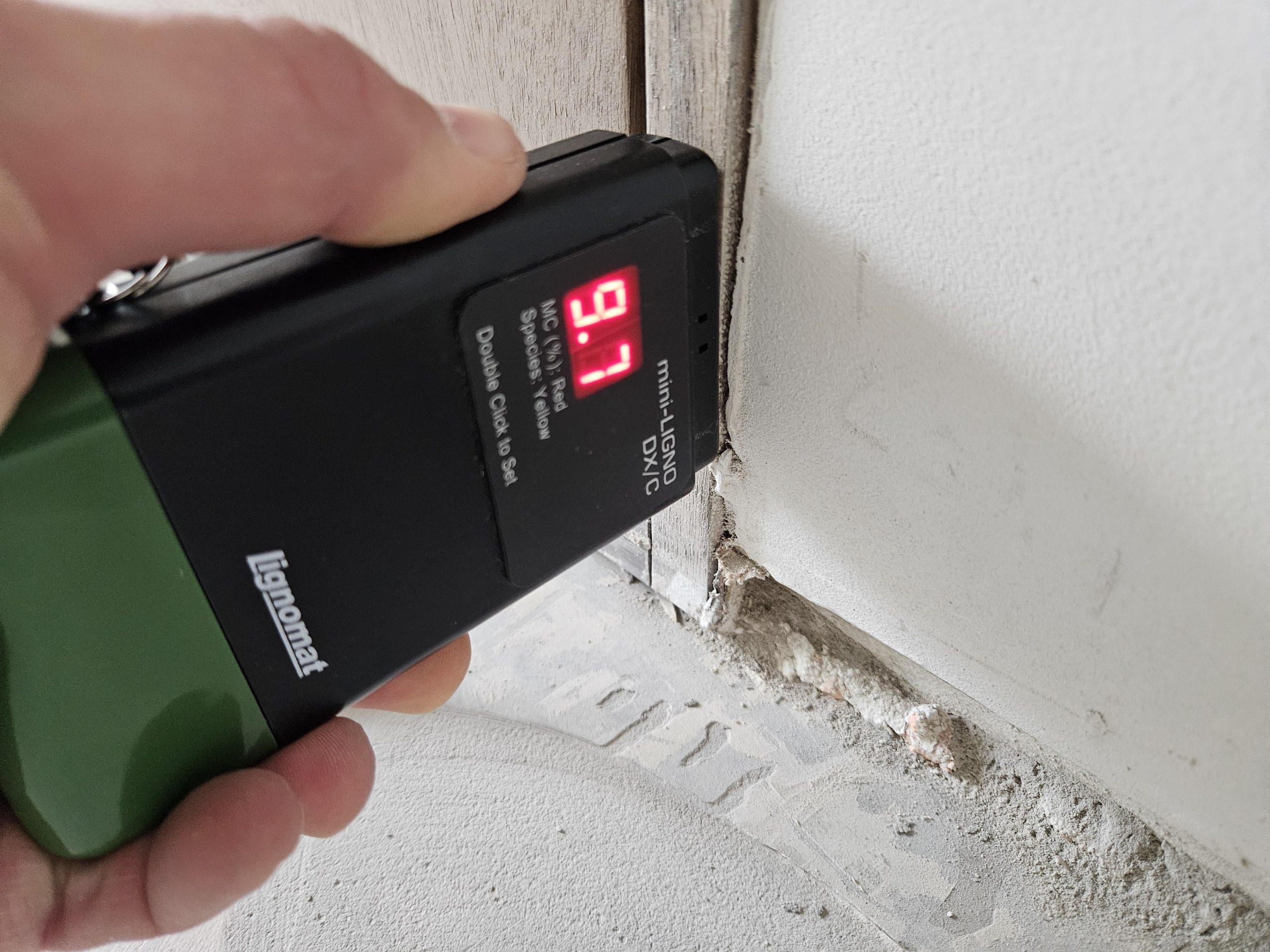
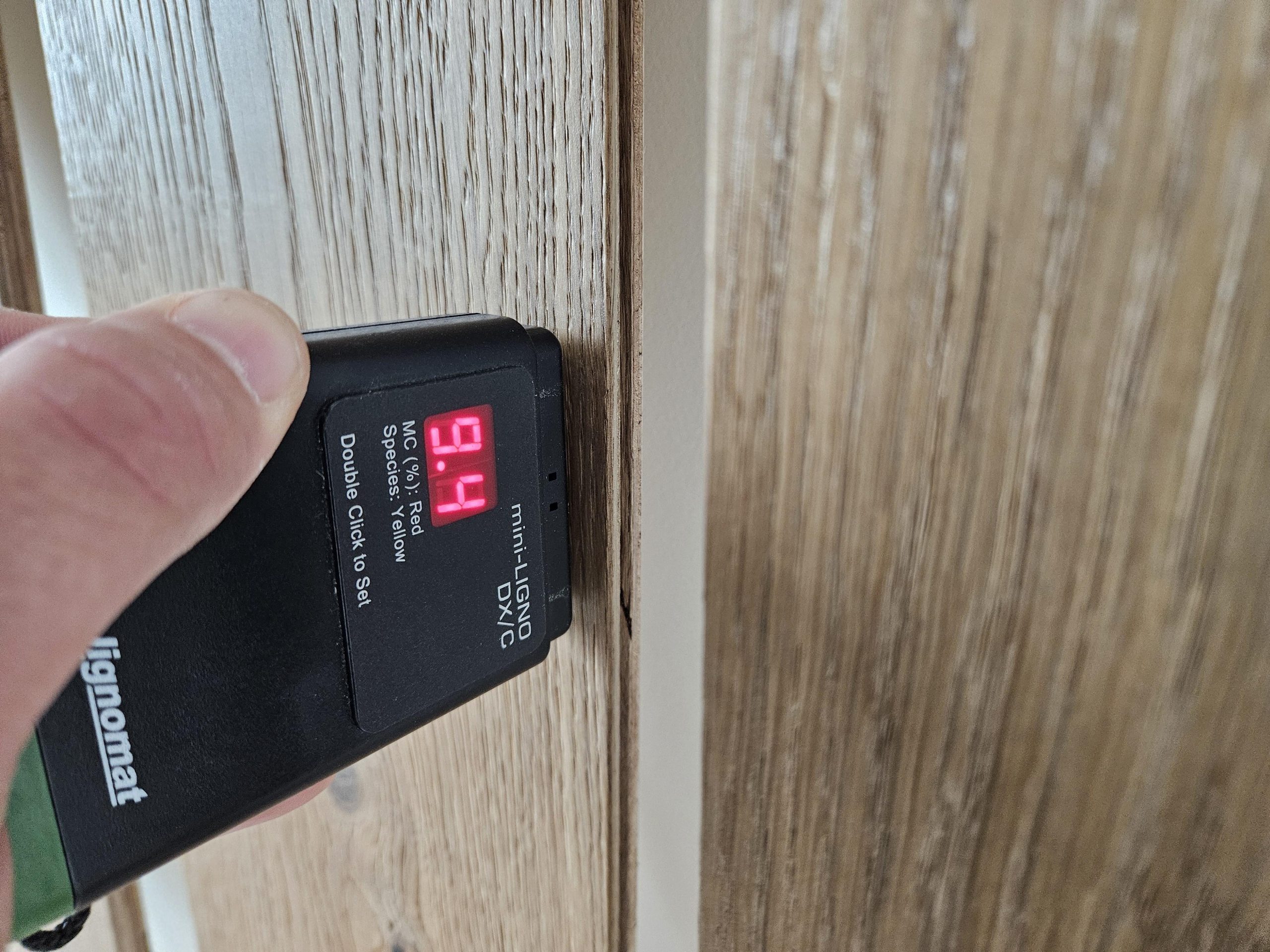
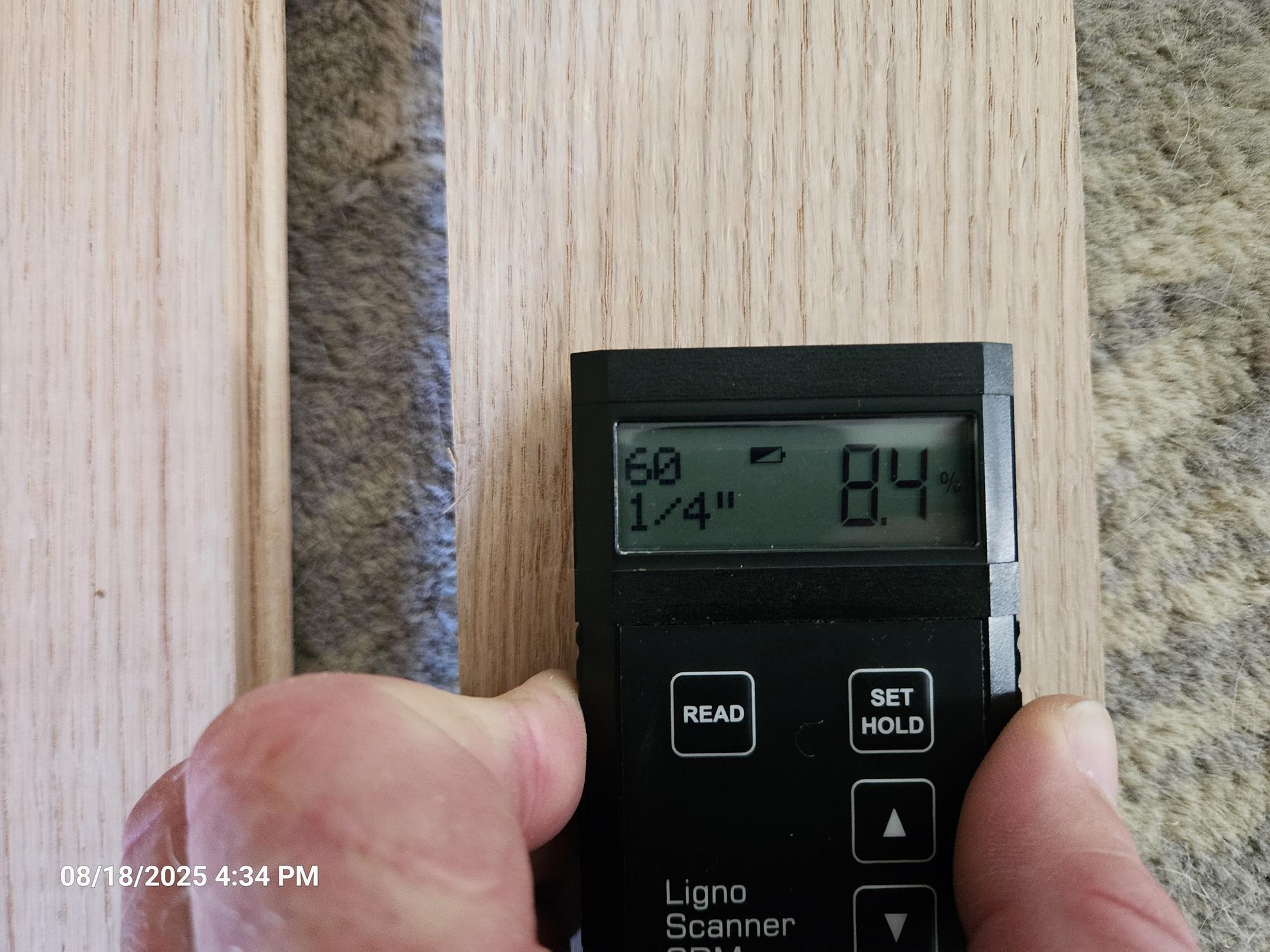
My personal preference for measuring moisture content is the Mini-Ligno DX/C or Ligno SDM Scanner. These meters are reliable and versatile:
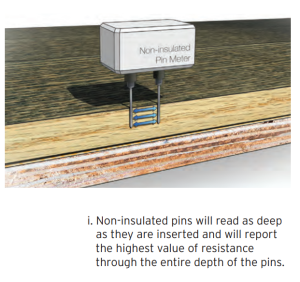
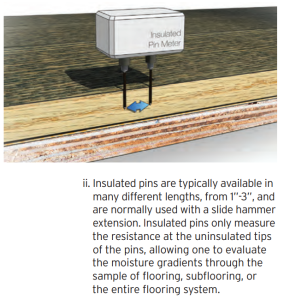
- For engineered wood, I prefer using a pin-type meter because it measures through the thin veneer and gives precise readings without interference.
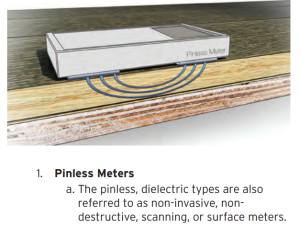
- For solid wood, both pin and pinless meters work well.
- The Mini-Ligno DX/C has tiny pins that penetrate only the top veneer of engineered flooring. This means the readings reflect the surface moisture of the wood, unaffected by the plank’s core or adhesive—a key factor for accurate measurements in glued installations.
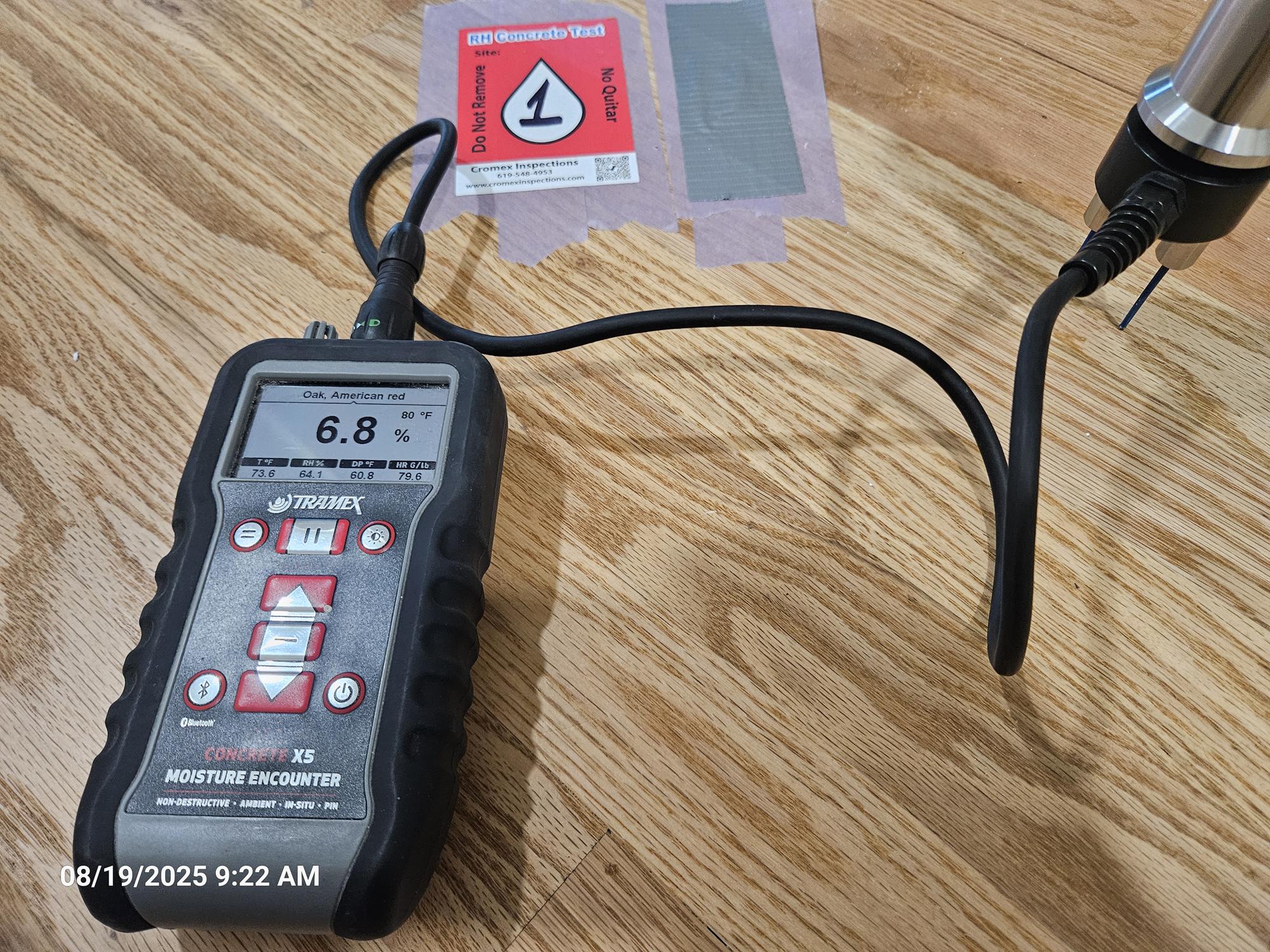
Other excellent meters include Delmhorst and Tramex, which also provide reliable MC readings for different flooring types. Always document your readings for quality control and to protect yourself in case of future issues.
3. Know Your Target Moisture Content
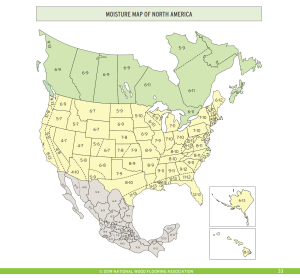
Here are general recommended limits for solid hardwood:
| Region | Max Subfloor MC | Max Flooring MC |
|---|---|---|
| Eastern U.S. (non-coastal) | 11% | 7.5% |
| Southeastern coastal | 13% | 10% |
| Western arid | 9% | 5.5% |
| Western coastal | 11–14% | 7.5–10% |
Always confirm manufacturer-specific values—they take precedence.
4. Equilibrium Moisture Content (EMC) Is the Goal
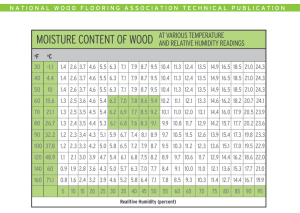
Wood must reach its equilibrium moisture content (EMC)—the point where it is balanced with the temperature and relative humidity (RH) of its environment. In other words, EMC is the moisture level at which wood neither gains nor loses water. Installing wood outside of EMC can result in:
- Cupping or crowning (too wet)
- Gaps (too dry)
- Buckling or lifting
- Squeaks or cracking
How EMC is determined: EMC depends on ambient RH and temperature. It can be calculated using tables or formulas derived from the principles of wood hygroscopicity. For example:
- At 70°F and 40% RH, wood’s EMC is approximately 7.7%
- At 70°F and 60% RH, EMC rises to about 11%
This is why wood installed in an uncontrolled environment may shrink or swell as it seeks equilibrium. Proper HVAC operation and jobsite stabilization are critical to ensuring wood reaches EMC before installation.
5. Engineered vs. Solid Hardwood
- Solid wood: Very sensitive to moisture; strict MC control is essential.
- Engineered wood: More stable, but still requires acclimation, especially in high humidity or very dry regions.
Even engineered products can fail if environmental conditions aren’t correct. Using a small-pin meter like the Mini-Ligno DX/C ensures accurate surface readings, which is particularly important for glued engineered planks where the core or adhesive could otherwise skew the measurement.
6. Common Acclimation Mistakes
- Relying on a set number of days instead of actual moisture readings
- Leaving wood fully boxed during acclimation
- Installing over a wet subfloor
- Ignoring HVAC stabilization
- Skipping documentation of readings and environmental conditions
7. Best Practices for Successful Acclimation
- Ensure the building is dry and the temperature/RH are stable.
- Measure and document subfloor and wood moisture content using reliable meters (Mini-Ligno DX/C, Ligno SDM, Delmhorst, Tramex).
- Wait until the wood reaches the correct MC relative to the subfloor and environment.
- Follow manufacturer instructions for moisture ranges and installation methods.
- Monitor environmental conditions throughout installation, especially during seasonal swings.
8. Following Industry Standards for Moisture and Acclimation
Professional installations follow strict guidelines to ensure proper moisture management and protect warranties, as outlined by the NWFA:
Solid Hardwood
-
Before delivery: Record ambient temperature, RH, and subfloor moisture.
-
Upon delivery: Recheck temperature and RH in the installation area.
-
MC measurements: Test multiple boards from different bundles. For the first 1,000 sq. ft., test at least 40 boards; add readings for larger areas. Pin meters should measure the back of boards to avoid surface damage. Document all results with photos and notes.
-
Action on extremes: Set aside any boards with unusually high or low MC—they should not be installed.
Engineered Hardwood
-
Before delivery: Confirm ambient conditions and subfloor MC match flooring requirements.
-
Upon delivery, recheck temperature, RH, and subfloor MC using the correct meter settings.
-
Subfloor testing: Test at least 20 locations per 1,000 sq. ft., adding more for larger areas. Document all results.
-
Action on extremes: Any unusually high or low readings must be addressed before installation.
-
Concrete subfloors: Must be moisture-tested, and proper mitigation systems must be in place.
Manufacturer Compliance
Follow all manufacturer instructions for moisture testing, acclimation, installation, and maintenance to retain warranty coverage.
8. The Bottom Line
Acclimation isn’t about how long the wood sits in the room—it’s about moisture balance.
By measuring, documenting, and stabilizing the environment—and using accurate, professional moisture meters—you prevent most moisture-related flooring failures and protect your investment.
Acclimation is a moisture science, not a calendar exercise. Do it right, and you ensure a smooth, long-lasting hardwood installation.