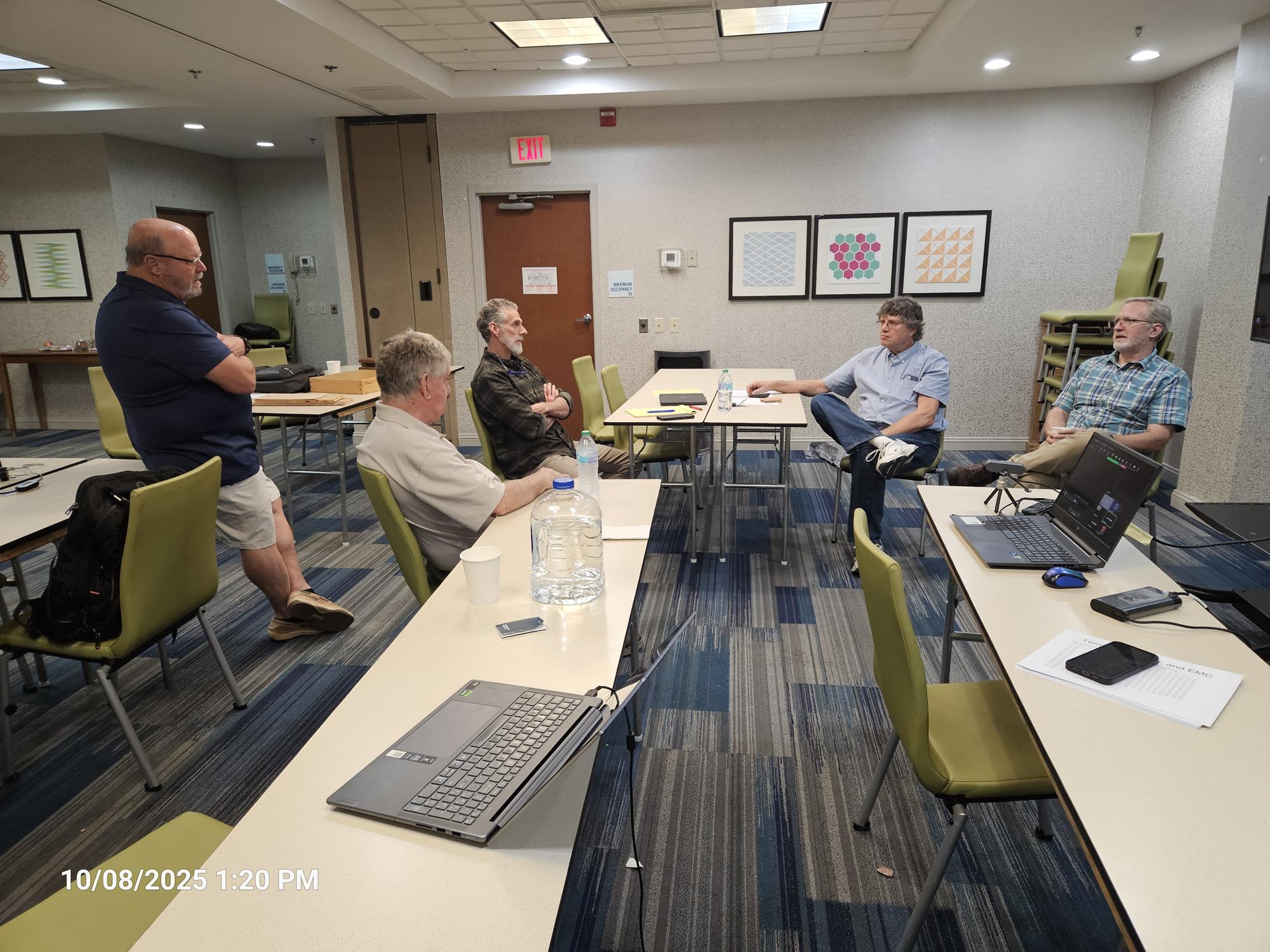
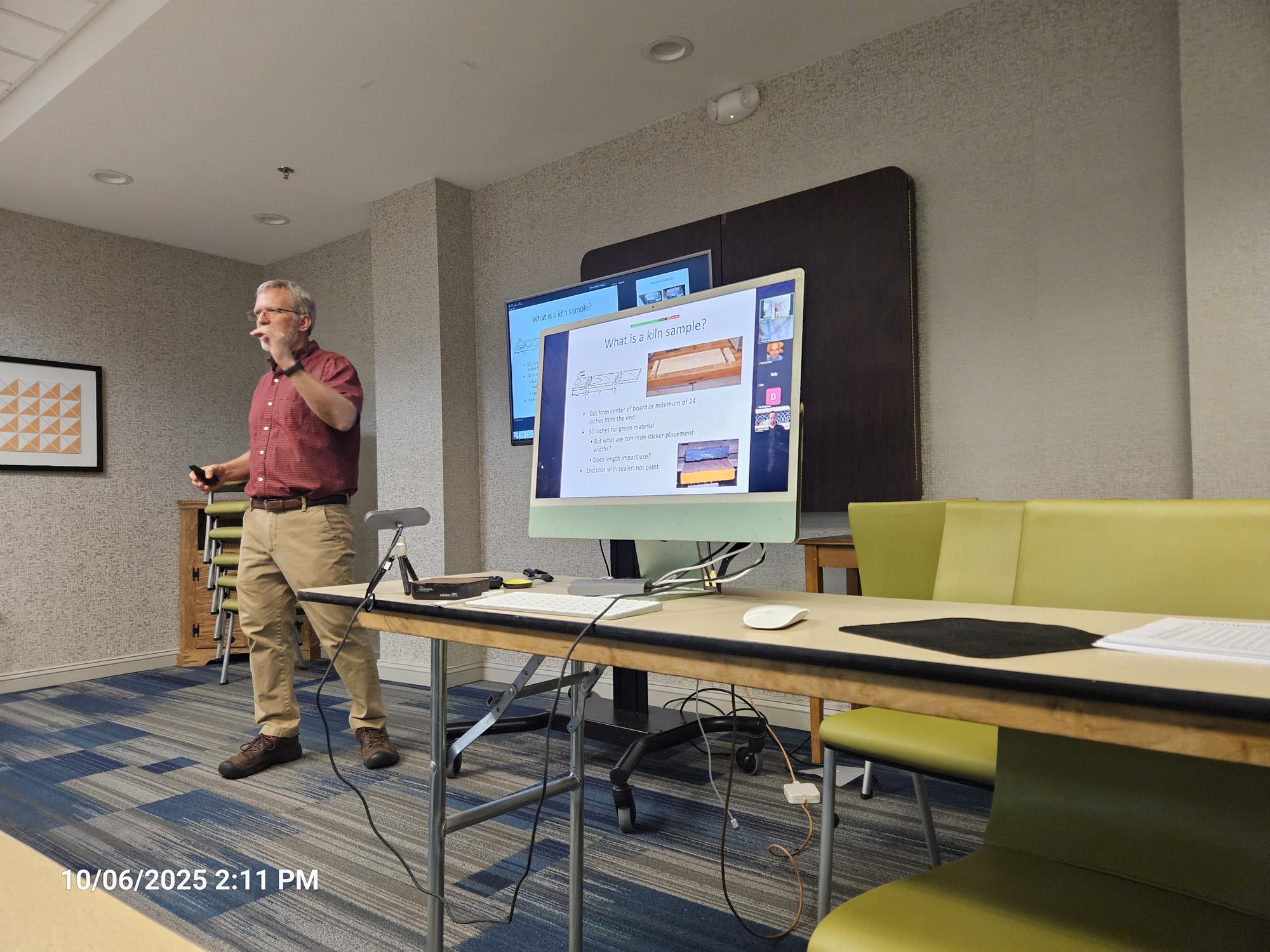
Instruction From Leading Experts
The Guild Education partnered with Virginia Tech and brought in three highly respected professors:
• Mr. Brian Bond – Department of Sustainable Biomaterials • Mr. Joseph Loferski – Department of Wood Science and Forest Products • Mr. Daniel P. Hindman – Department of Sustainable Biomaterials
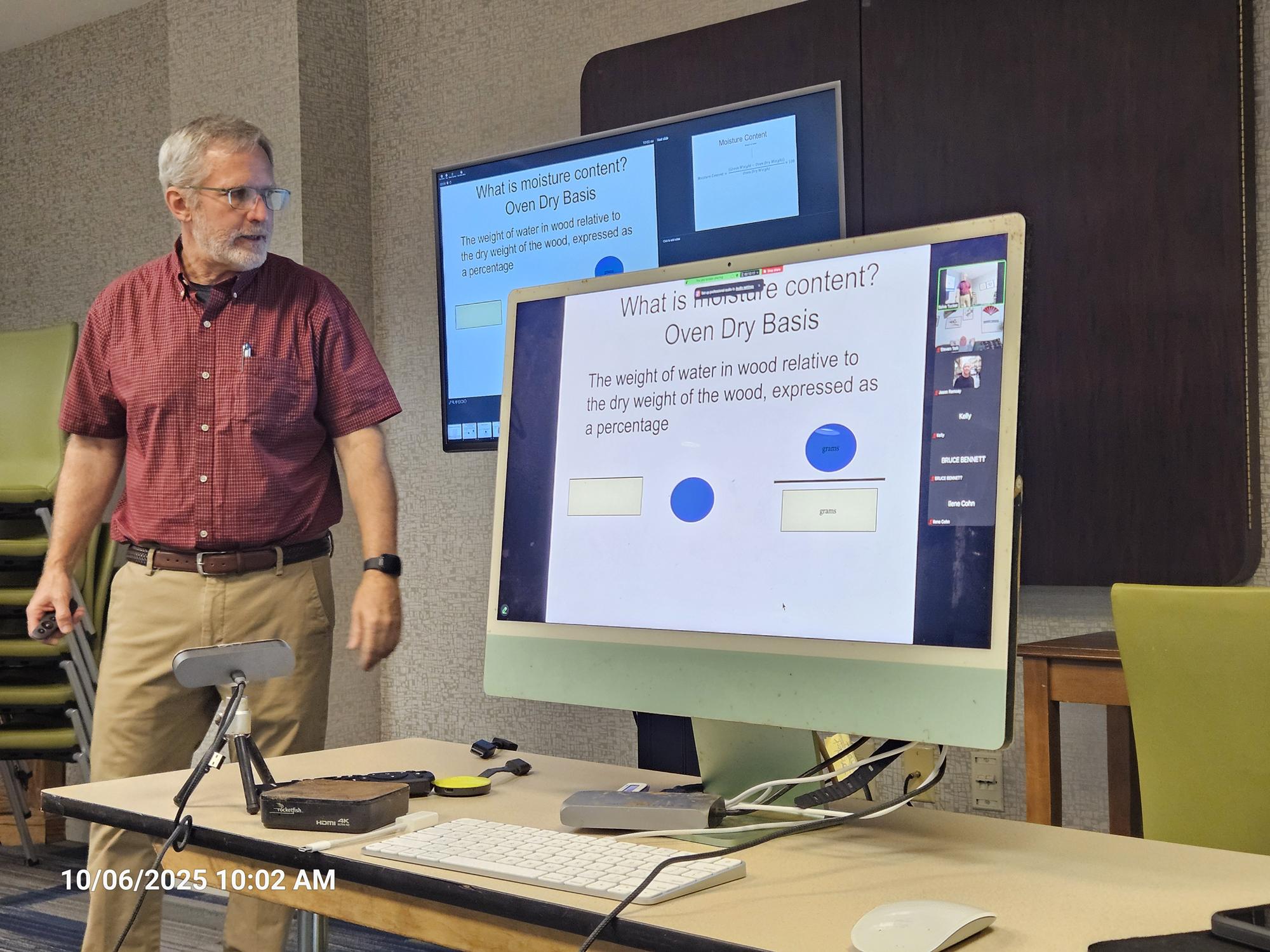
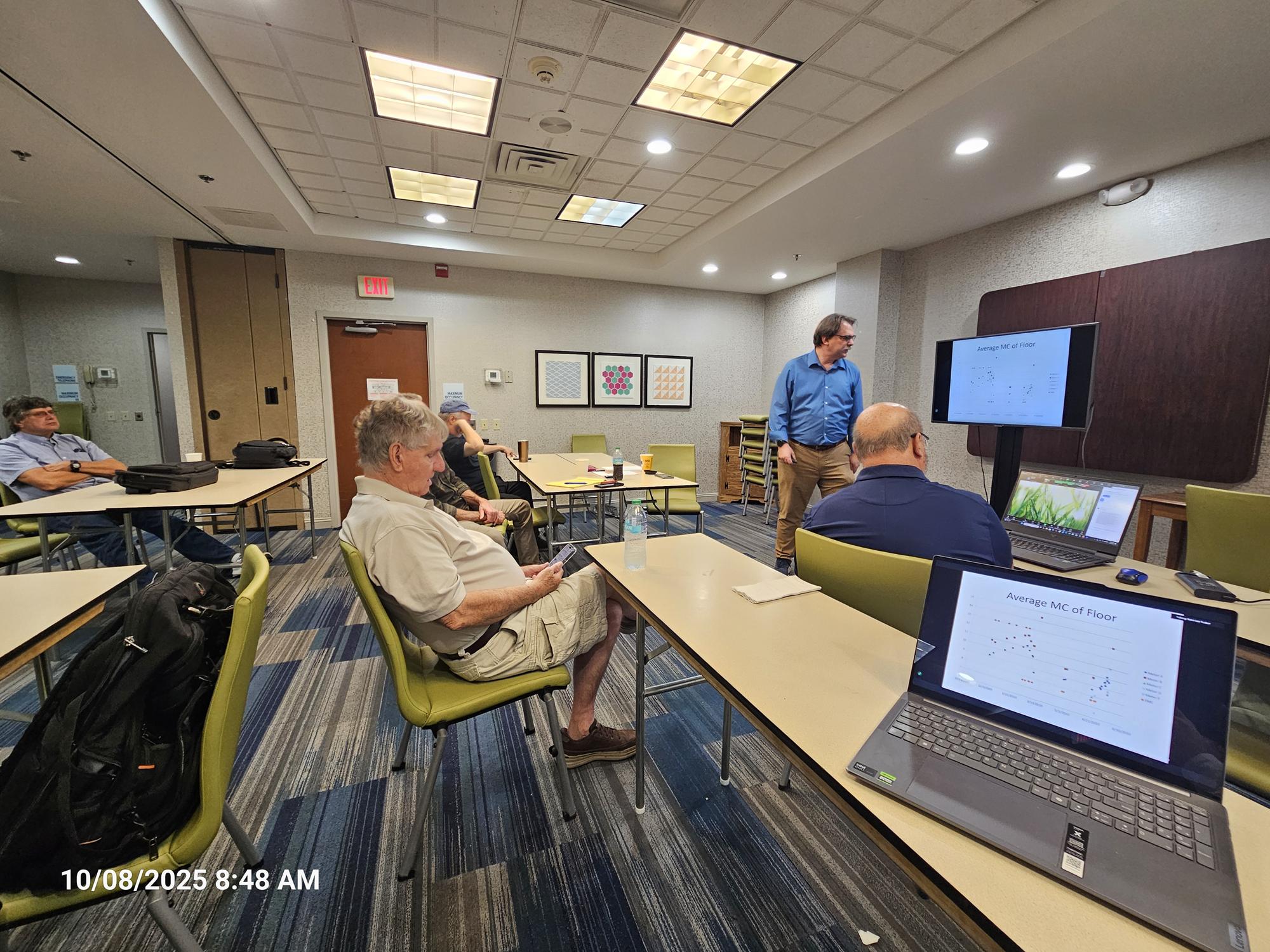
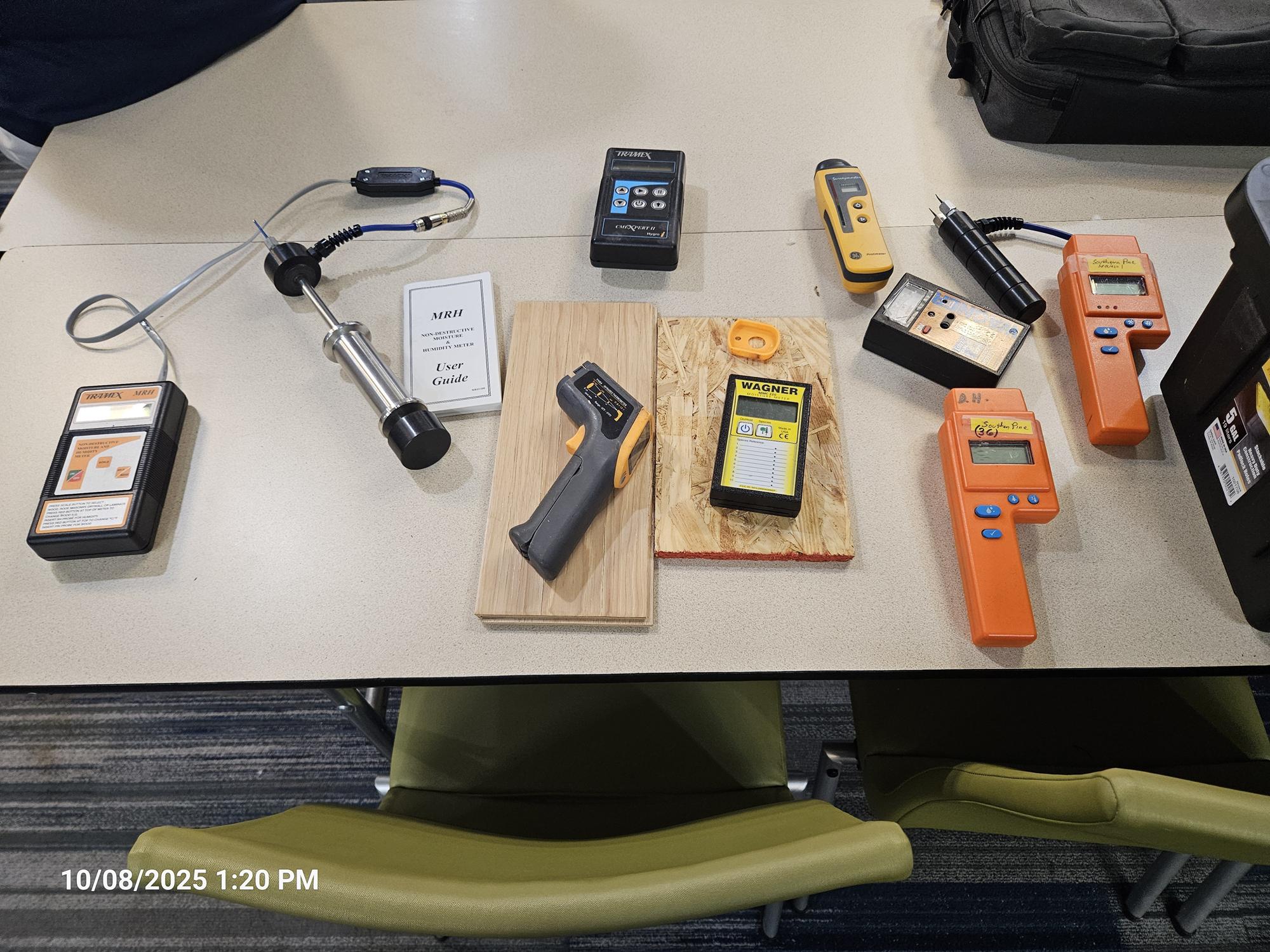
The quality and depth of the information they provided exceeded all expectations. We covered topics ranging from kiln-drying principles to sawing methods and their advantages and disadvantages. We also examined how wood shrinks, swells, and behaves once installed. The level of detail and scientific insight was impressive.
One particular lesson that stood out to me was Mr. Bond’s explanation of kiln drying. He noted that kiln drying typically begins at around 28% moisture content, and the target for most interior applications is 6–8%. Wood undergoes tremendous stress during this process—far more than it will ever experience once installed in a home. As a result, the amount of shrinkage after installation is typically minimal. However, wood checking is a different matter, as checks often reveal whether the wood was dried properly. This changed my perspective on assigning blame—checks are almost always connected to how the wood was dried, not to the interior environment of the home.
The Mission Behind The Guild
The owner of The Guild Education, Mr. Lee Tucker, did an outstanding job collaborating with Virginia Tech. Before the class, he told me that his mission—and the mission of The Guild—is to elevate the standards of professional flooring inspection through advanced education, collaboration with research institutions, and a commitment to ethical excellence.
As he put it: “Gone are the days when you can easily trust every certified flooring inspector, manufacturer, or retailer. The Guild aims to counter this trend and welcome a new generation of flooring professionals who prioritize quality over loyalty. We pledge to teach the truth to those who seek it, without resorting to protectionism for any brand or ideology.”
Why I Recommend This Class
The knowledge you gain in this program is exceptional, but the connections you make are just as valuable. Meeting professors who actively research and test wood, and having the opportunity to add them to your contact list, is a privilege. Connecting with long-term inspectors—such as Mr. Lee Tucker, John, Kevin, Bill, and Henry was equally valuable. I know that if I ever face a complex inspection, I can reach out to them for insight and guidance.
I highly recommend this class to anyone considering a career as a flooring inspector. To truly benefit, you need to attend in person. I view this program as a major step forward in an inspector’s career and continuing education. Learning how to inspect wood floors is one thing; understanding wood anatomy, science, and manufacturing from a research-based perspective is something entirely different—the Guild perspective.
And if you decide to attend, remember one final lesson emphasized throughout the course: There are no stupid questions.